Bangalore’s Precision Manufacturing Boom: A Complete Guide to CNC Machining with Zeometrix

In the heart of India's Silicon Valley, the hum of high-precision spindles is as much a part of the city's identity as its sprawling tech parks. As of 2026, Bangalore has solidified its status not just as a software giant, but as the precision manufacturing capital of the country. At the forefront of this industrial revolution is Zeometrix, a leader in CNC machining, providing the critical components that power the aerospace, medical, and automotive sectors.
This comprehensive guide explores the landscape of CNC machining Bangalore, why Zeometrix is the partner of choice for global OEMs, and how the latest 2026 trends are reshaping the way we think about subtractive manufacturing.
The Evolution of CNC Machining in Bangalore
Bangalore’s journey into precision engineering began decades ago with the establishment of public sector giants like HAL and ISRO. Today, that legacy has evolved into a vibrant ecosystem of private players. The city now accounts for a significant portion of India's high-end machining output.
What makes Bangalore unique is the convergence of software and hardware. With the 2026 push toward "AI-Native Machining," Bangalore-based companies like Zeometrix are leveraging the city’s software talent to integrate real-time sensor feedback and digital twins into the shop floor. This marriage of code and chrome allows for a level of accuracy that was previously reserved for boutique laboratories.
Why Choose Zeometrix for CNC Machining?
In a competitive market, Zeometrix has carved out a reputation for "Concept to Creation in Days." As a one-stop solution for rapid manufacturing, Zeometrix bridges the gap between complex engineering designs and physical reality.
Multi-Axis Precision
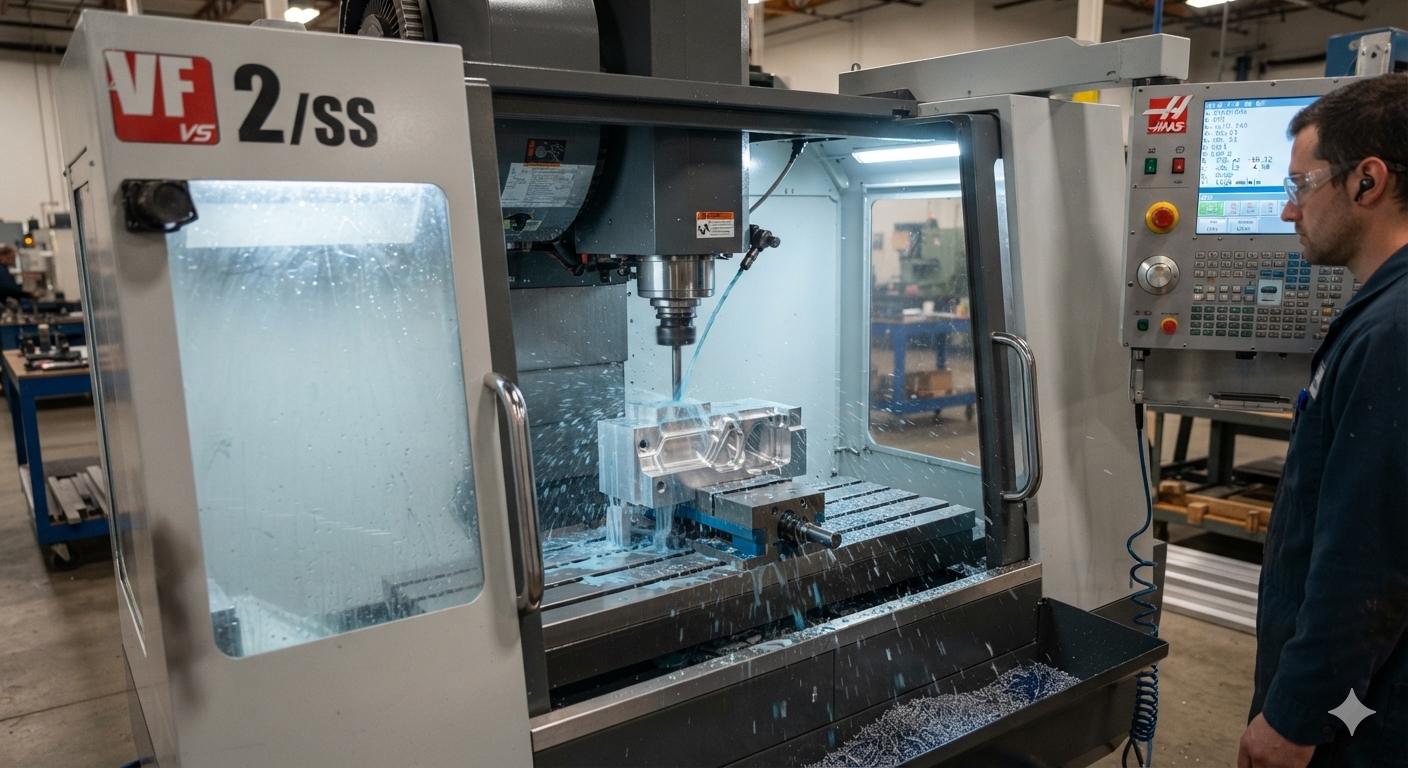
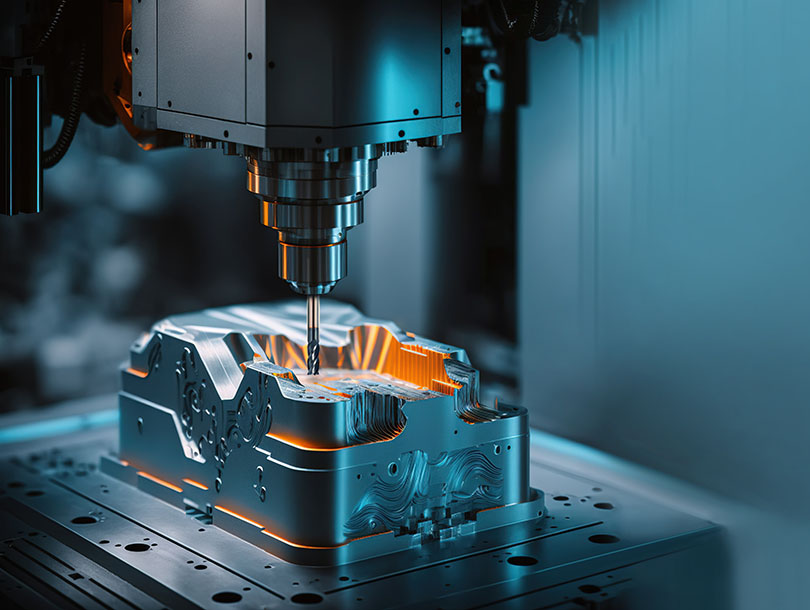
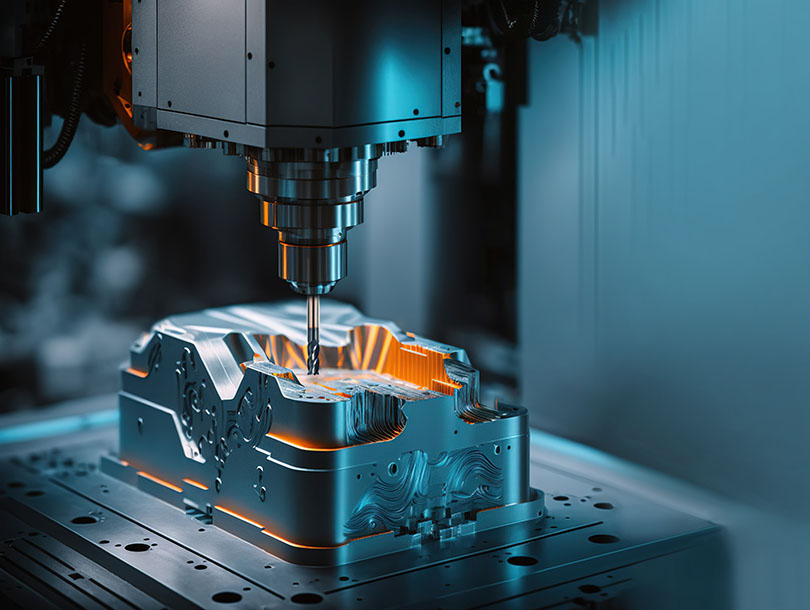
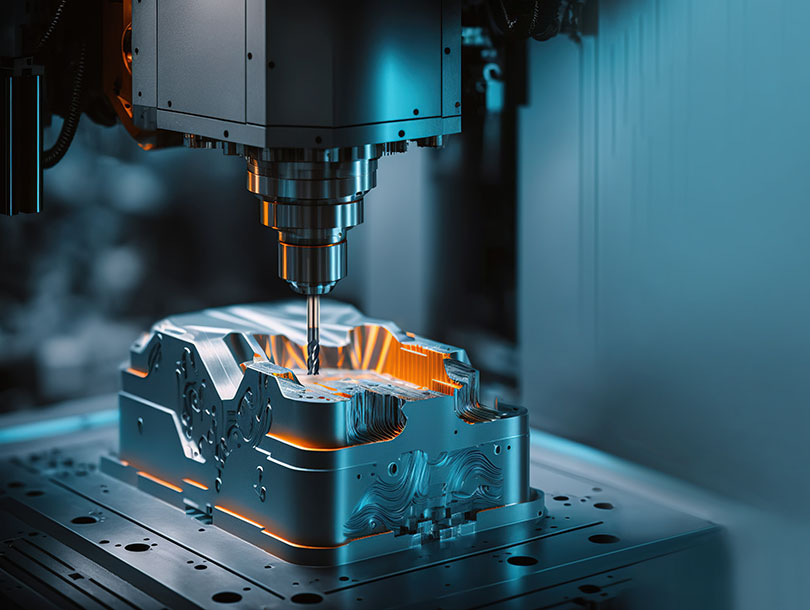
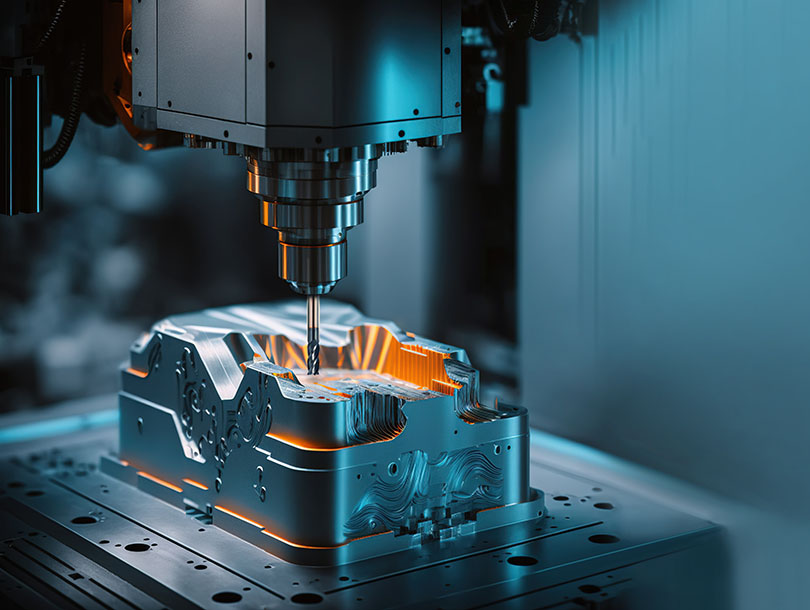
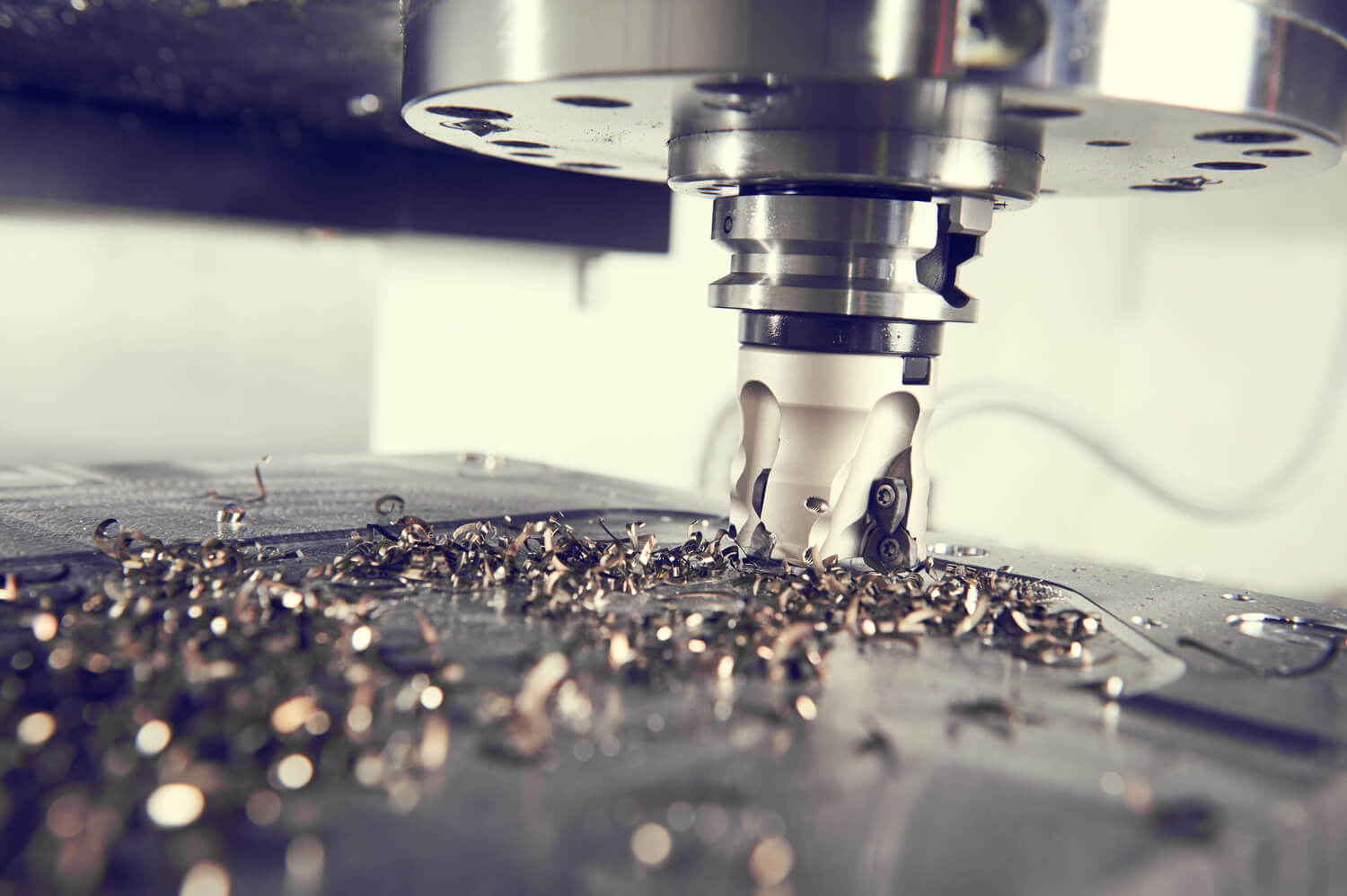
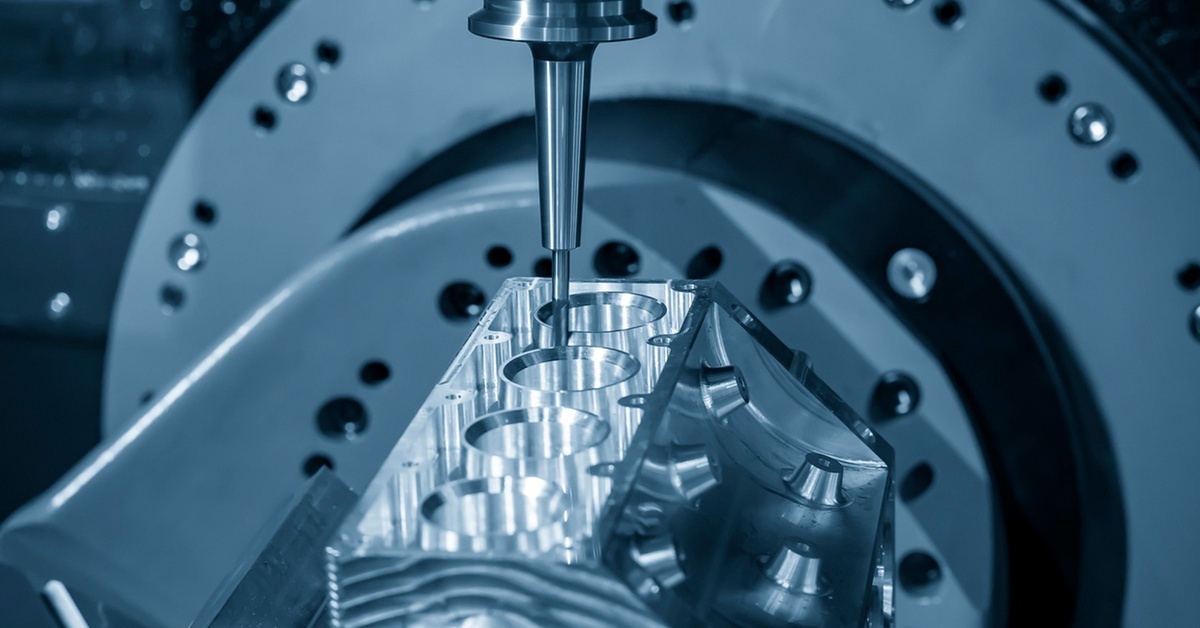
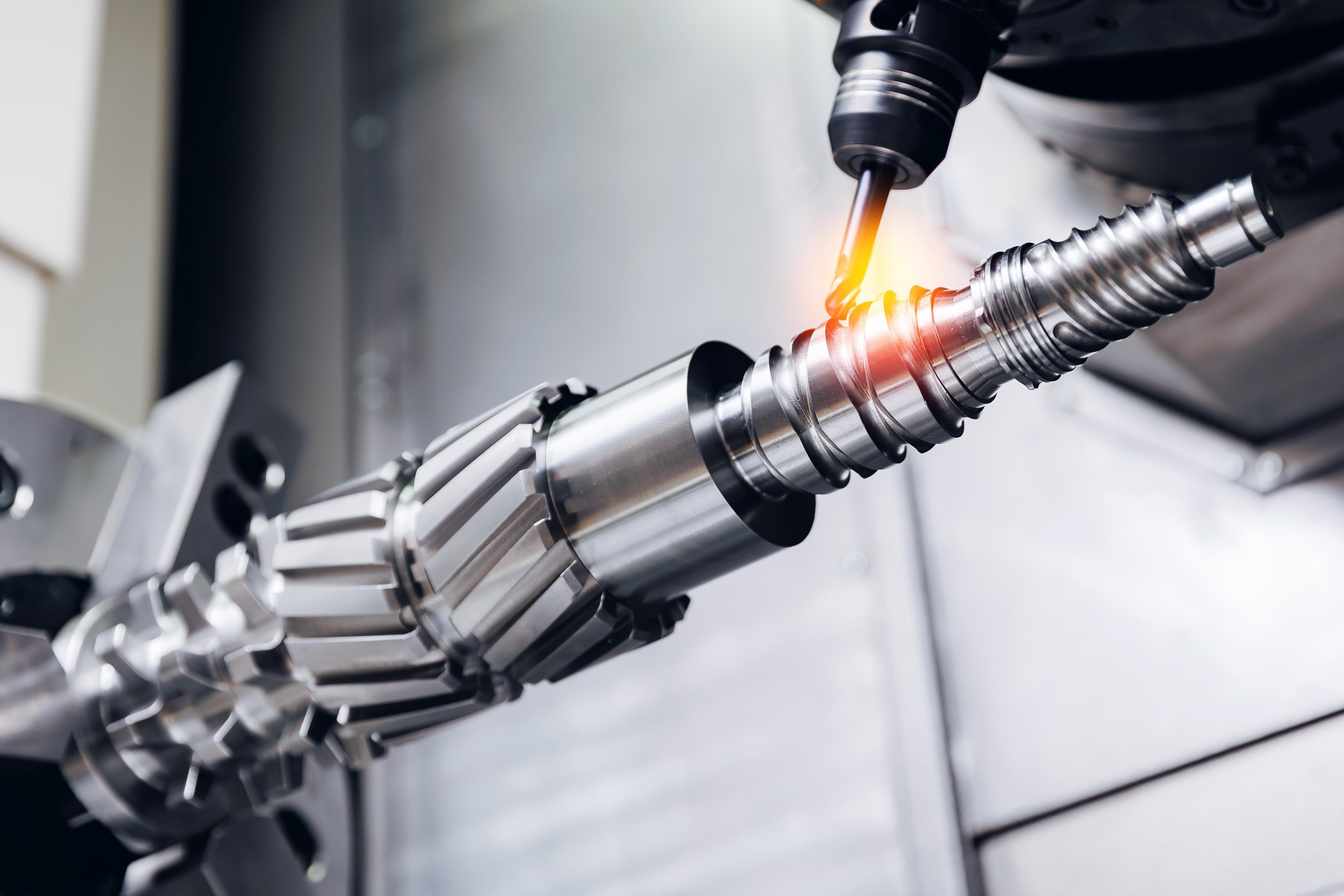
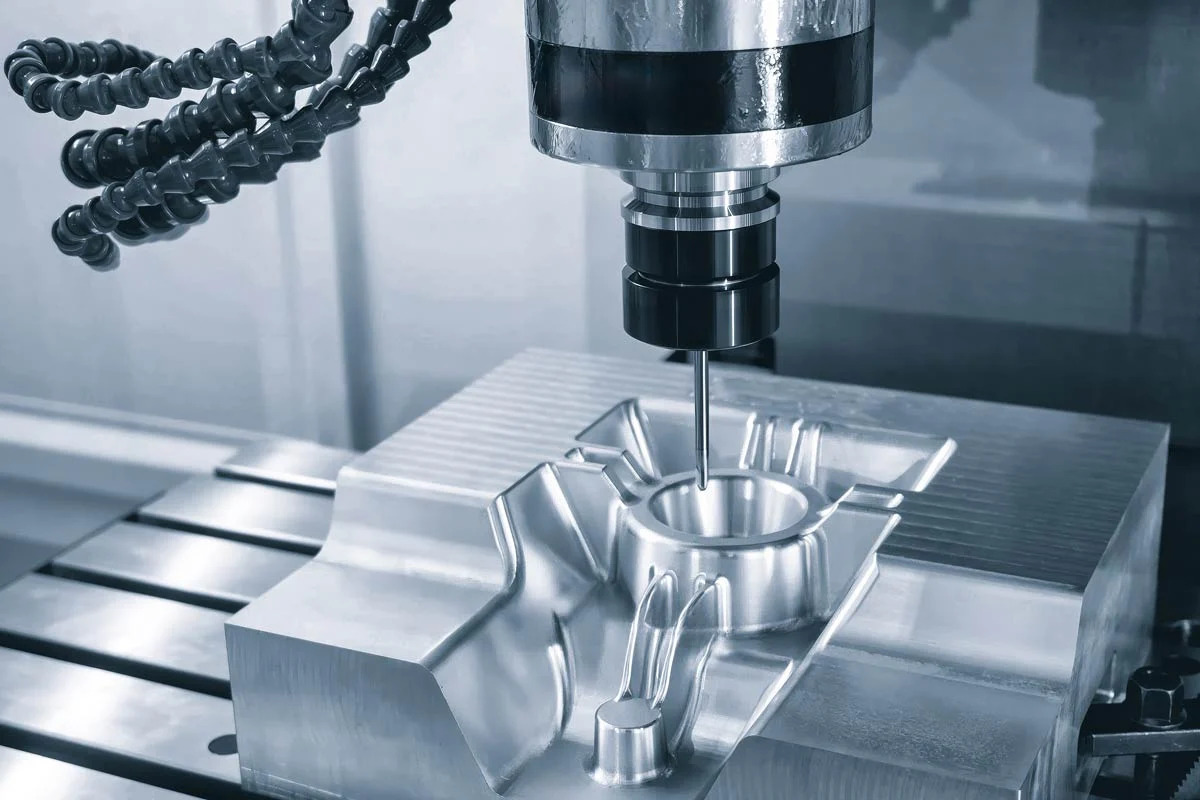
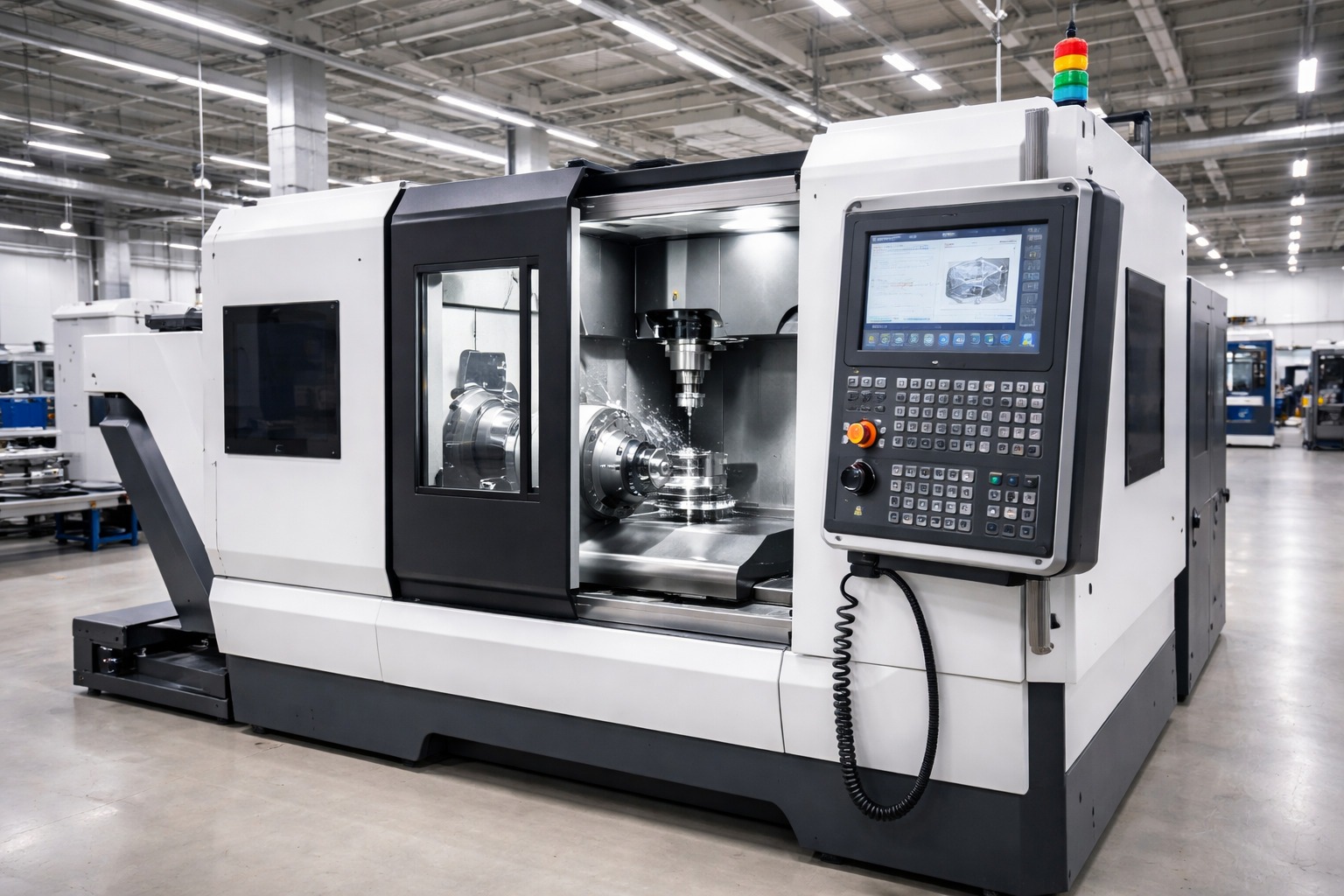
Modern components rarely consist of simple two-dimensional shapes. Zeometrix utilizes advanced 5-axis CNC machining to create parts with complex geometries that were previously impossible to manufacture in a single setup. This capability reduces "fixturing errors"—the tiny discrepancies that occur when a part is moved from one machine to another—and ensures that every micron is accounted for.
Material Versatility
Whether it’s the lightweight demands of a high-altitude drone or the biocompatibility required for a surgical implant, Zeometrix works with a diverse range of materials. Their expertise extends across common metals like Aluminum 6061 and 7075, various grades of Stainless Steel, Brass, and Copper. Furthermore, they specialize in high-performance alloys such as Inconel and Cobalt-Chrome for extreme environments, as well as engineering plastics like PEEK, Delrin, and medical-grade Polycarbonate.
Rapid Prototyping to Mass Production
One of the biggest hurdles for hardware startups in Bangalore is the transition from a single prototype to a production run of several thousand units. Zeometrix specializes in this "Scale-Up" phase. With an instant quoting system and a managed supply chain, they provide the agility of a small prototyping shop with the reliability and quality control of a Tier-1 manufacturer.
Industry-Specific Applications
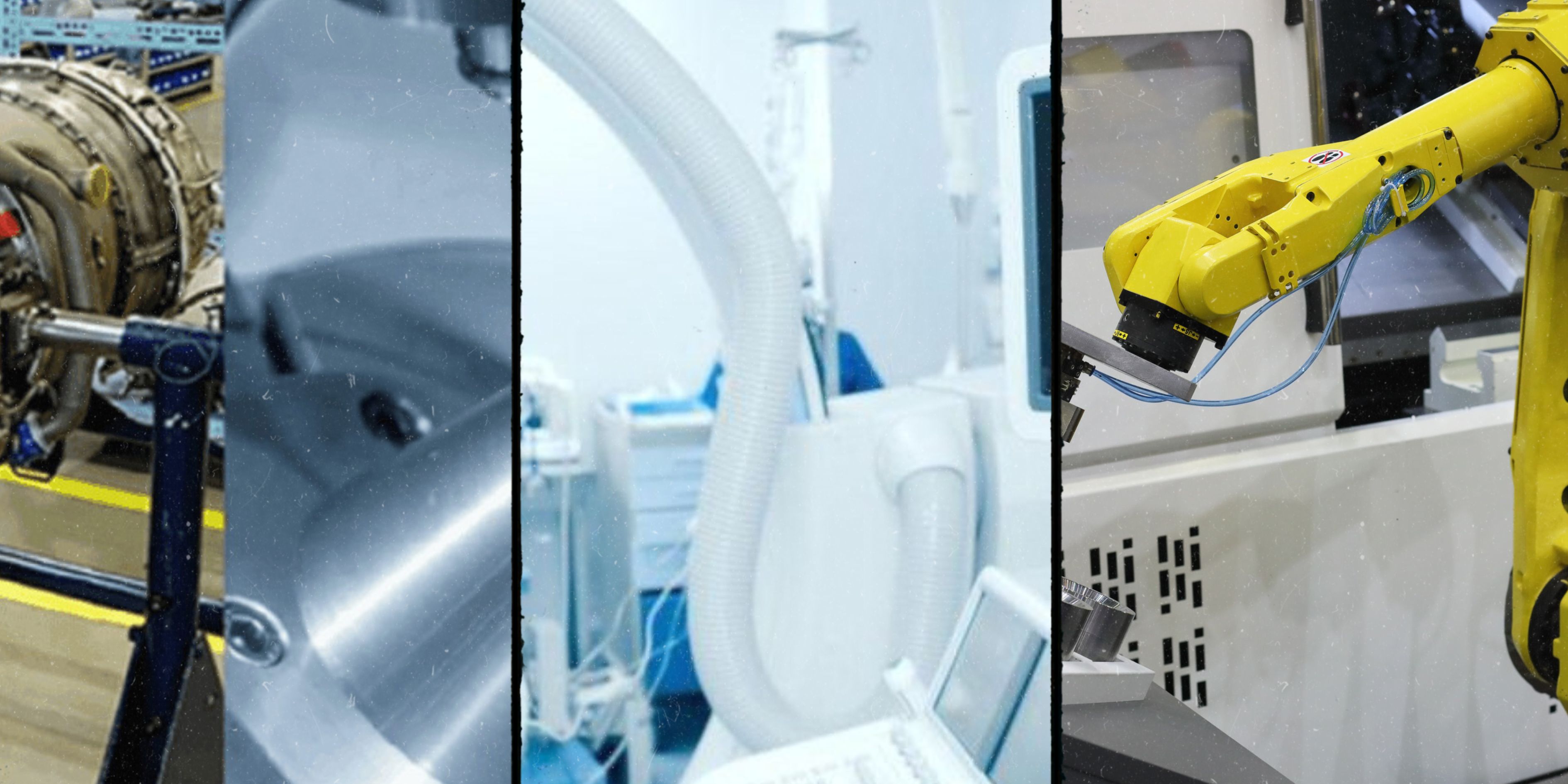
The demand for CNC machining in Bangalore is driven by three primary sectors, each with its own "zero-failure" requirements. Zeometrix has tailored its quality management systems to meet these high-stakes needs.
Aerospace and Defense
Bangalore is the nerve center of India’s aerospace industry. Components like turbine blades, fuel manifolds, and structural brackets require extreme heat resistance and high strength-to-weight ratios. Zeometrix employs AS9100-compliant processes to ensure that every aerospace part can withstand the mechanical stress of flight. In 2026, as private space exploration booms, the need for precision-machined satellite components has become a core part of their daily operations.
Medical Devices
The medical sector has moved toward personalized healthcare and minimally invasive surgery. CNC machining allows for the creation of custom orthopedic implants tailored to a patient's unique anatomy, high-grade stainless steel surgical instruments with ergonomic designs, and precise diagnostic housings for MRI and ultrasound technology. Zeometrix ensures these parts meet the stringent surface finish requirements necessary to prevent bacterial growth and ensure patient safety.
Electronics and Robotics
As Bangalore continues to lead in robotics and automation, the need for lightweight, heat-dissipating enclosures has skyrocketed. Zeometrix provides CNC-milled heat sinks and robot arm joints that require high repeatability across large batches. Their ability to machine thin-walled structures allows electronics companies to pack more power into smaller, lighter devices.
2026 Trends: The Future of Machining
The landscape of manufacturing is changing rapidly. To stay competitive and meet the growing demand for cnc manufacturing near me, Zeometrix has integrated several “Industry 4.0” advancements that are defining the 2026 market.
AI-Driven Process Optimization
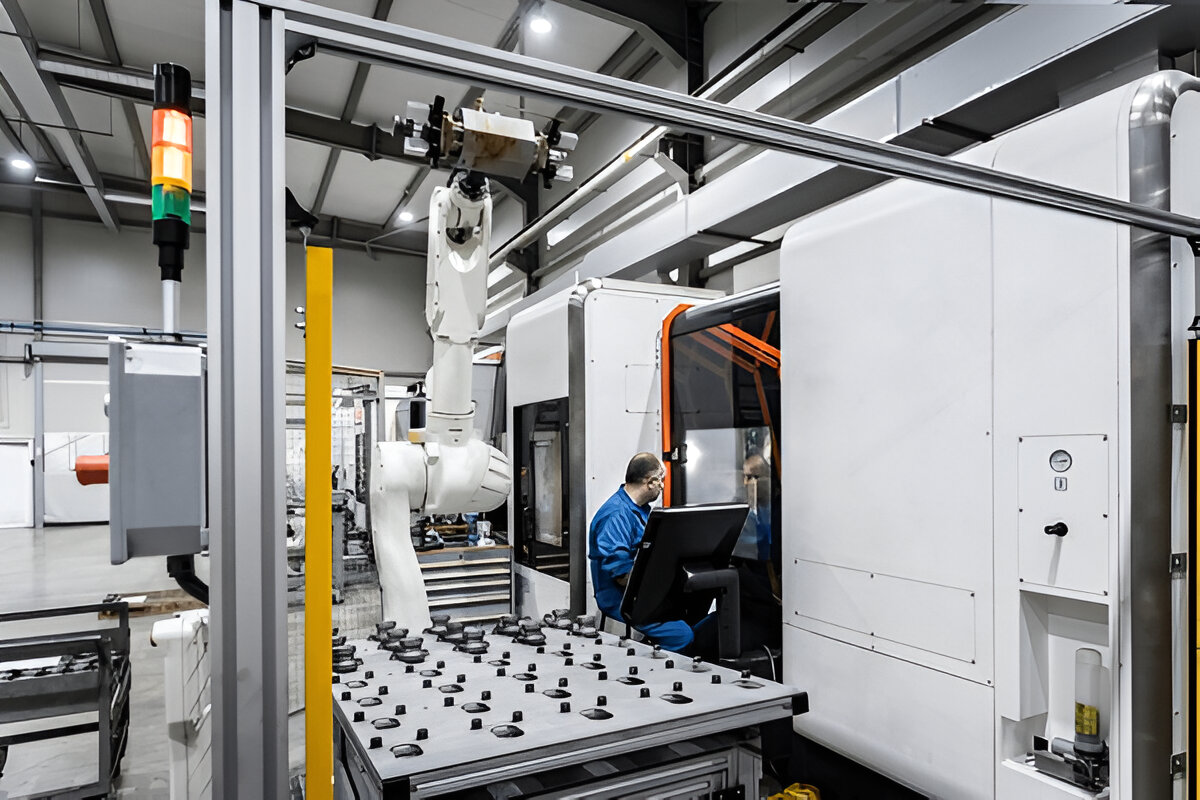
In 2026, CNC machines are no longer "dumb" tools that simply follow a path. They are equipped with AI that monitors tool wear in real-time. If a drill bit begins to dull or a vibration pattern changes, the system automatically adjusts the feed rate to prevent part damage. This technology ensures a "First-Part-Right" success rate that significantly reduces lead times and material waste.
The Rise of Hybrid Manufacturing
The boundary between 3D printing (additive) and CNC machining (subtractive) is blurring. Many projects now start with a 3D-printed "near-net shape," which is then finished on a CNC machine to achieve critical tolerances and surface finishes. This hybrid approach is especially valuable when working with expensive materials like Titanium, as it drastically reduces the amount of raw material turned into scrap chips.
Sustainability as a Key Metric
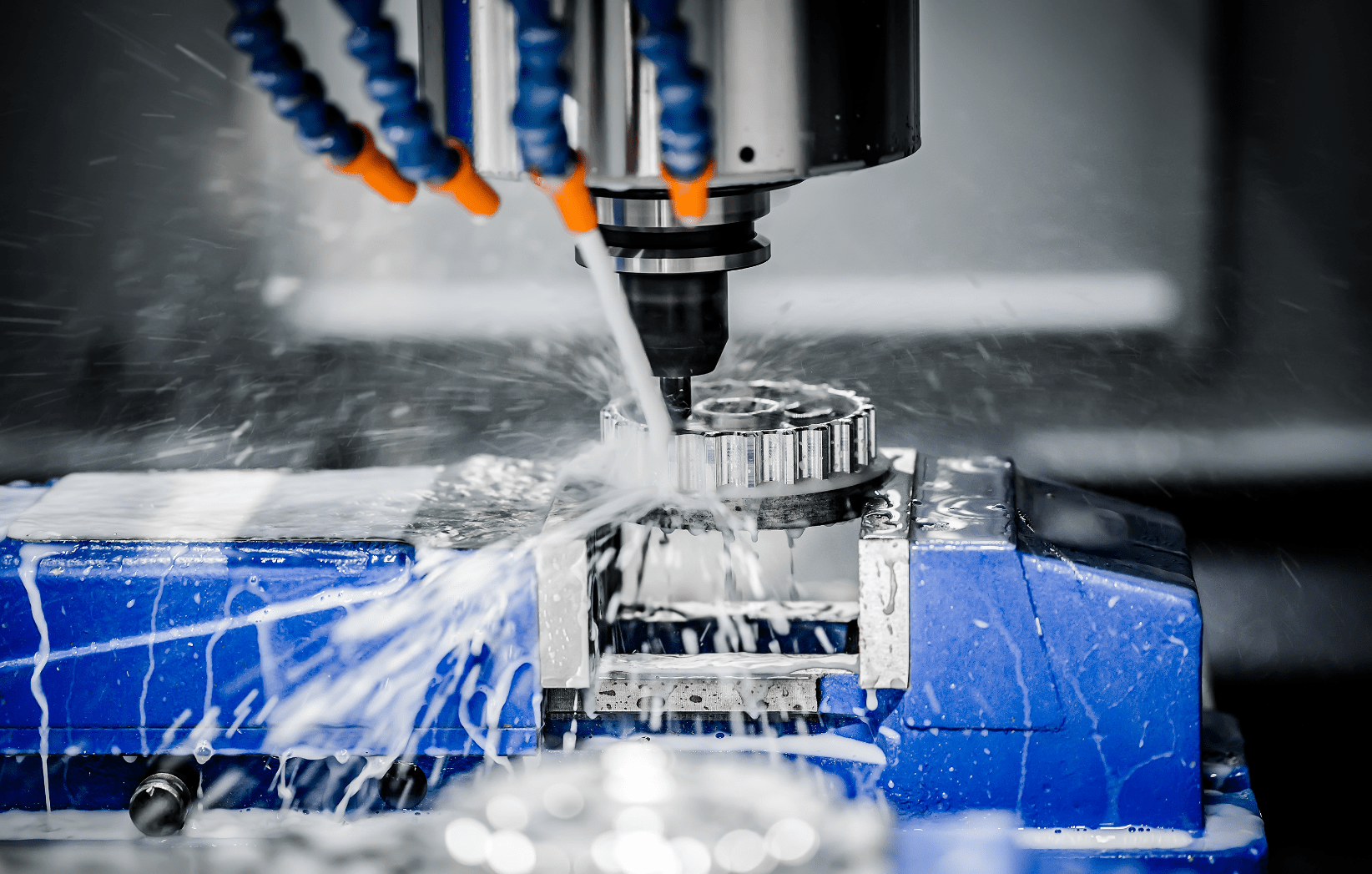
"Green Machining" is no longer just a buzzword; it is a business requirement. Zeometrix is leading this shift in Bangalore by implementing Minimum Quantity Lubrication (MQL) systems to reduce coolant waste and recycling 100% of metal scrap. Furthermore, they utilize energy-efficient spindles that reduce power draw by 30% during idle times, aligning with global carbon-neutral goals.
Selecting the Right Manufacturing Partner
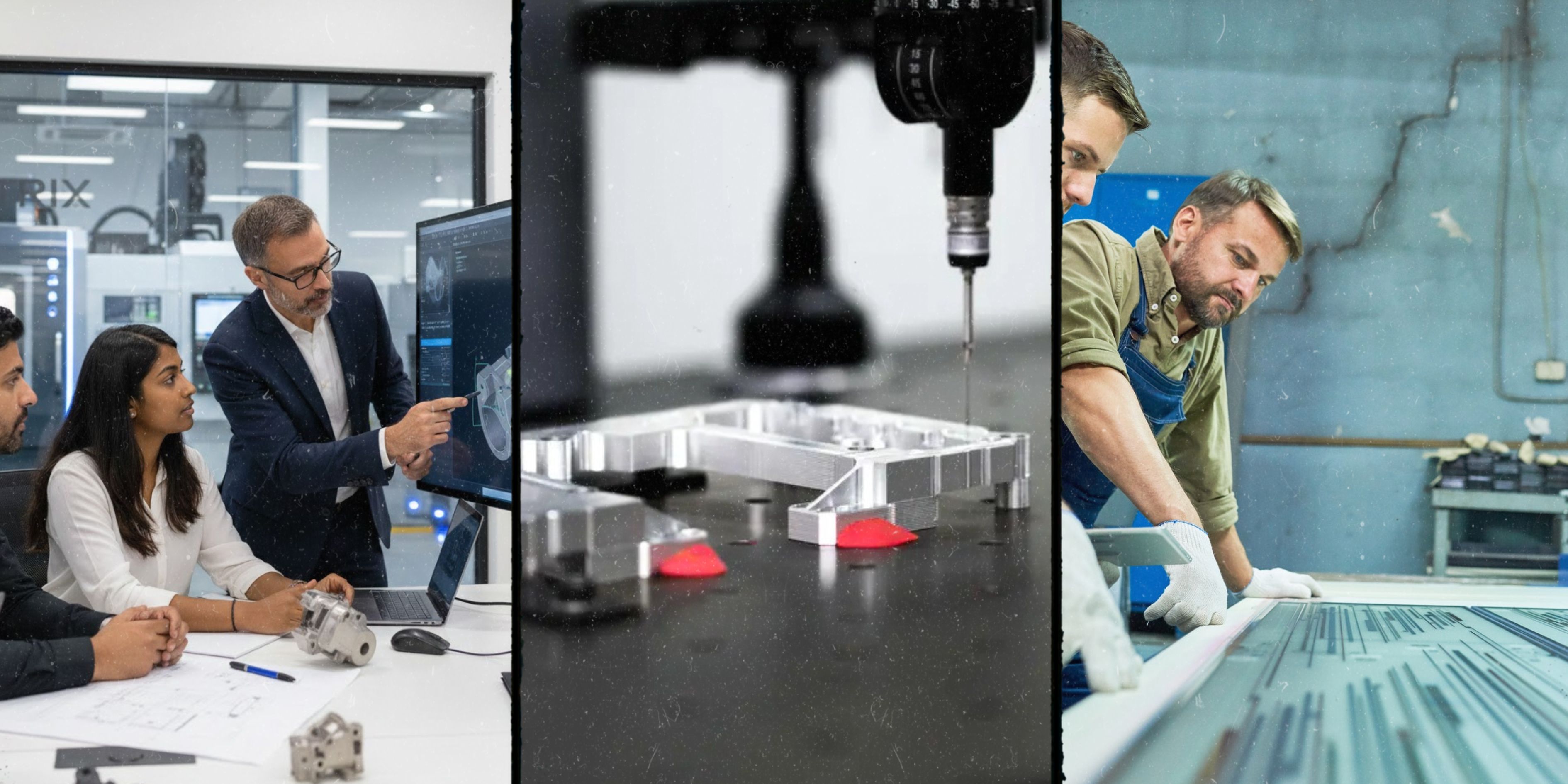
When looking for CNC machining services in a hub like Bangalore, it is easy to get overwhelmed by options. However, the right partner should offer more than just a low price. A truly professional service like Zeometrix focuses on:
-
Technical Consultation: Providing "Design for Manufacturability" (DFM) feedback to help you lower costs before the first cut is made.
-
Quality Assurance: Utilizing Coordinate Measuring Machines (CMM) and laser inspection to verify that every dimension matches the CAD file.
-
Secondary Operations: Offering a complete solution that includes anodizing, powder coating, heat treatment, and laser engraving.
-
Digital Transparency: Providing clients with real-time updates on their project’s progress through a digital portal.
The Technical Edge: Subtractive vs. Additive
While 3D printing is excellent for aesthetics and complex internal lattices, CNC machining remains the gold standard for structural integrity. When a part needs to hold a thread, resist high pressure, or have a mirror-like surface finish, subtractive manufacturing is the only choice.
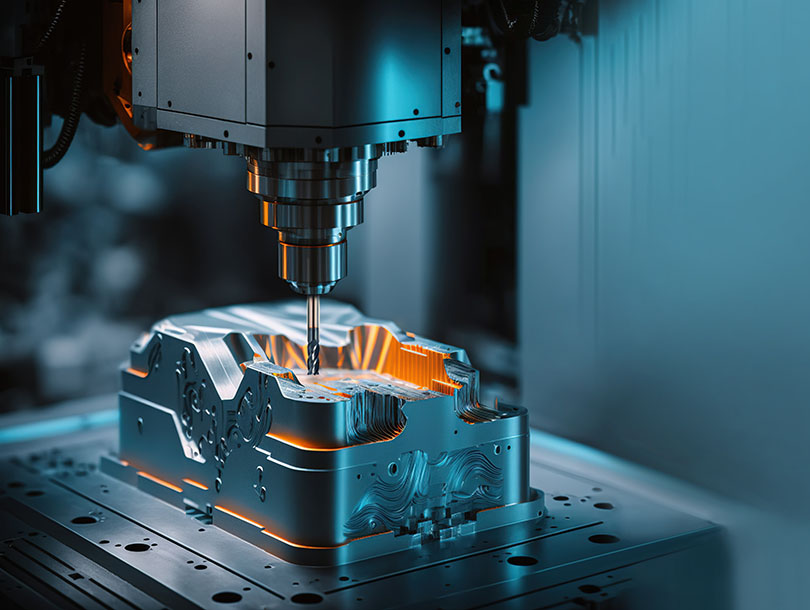
At Zeometrix, the process follows a strict digital thread. It begins with the CAD design, which is then converted into CAM (Computer-Aided Manufacturing) programming. Engineers generate the G-code that dictates toolpaths, but before the machine starts, a digital twin simulation ensures no tool collisions occur. This rigorous preparation is why Zeometrix can handle the most complex geometries with confidence.
Bangalore’s Global Advantage
Why are global companies increasingly moving their machining requirements to Bangalore?
First, the cost efficiency is undeniable. Clients often see a 30-40% cost reduction compared to Western vendors without any sacrifice in quality. Second, the logistics have improved immensely; with the expansion of the Kempegowda International Airport and new dedicated freight corridors, parts machined in Bangalore can be in a warehouse in London or New York within days. Finally, there is the talent pool. Bangalore has the highest density of CAD/CAM engineers in the world, ensuring that complex engineering problems are solved in hours rather than weeks.
Conclusion:
As we move through 2026, the demand for high-precision components will only increase. Whether you are building the next generation of electric vehicles, a satellite for a private space mission, or a life-saving medical device, your choice of a manufacturing partner is critical to your success.
Zeometrix isn't just a machine shop; it's a technology partner. By combining the traditional craftsmanship of precision engineering with the cutting-edge power of AI and digital manufacturing, Zeometrix is redefining what it means to offer CNC machining in Bangalore. They provide the bridge between a brilliant idea and a physical product that performs flawlessly in the real world.
Don't let manufacturing bottlenecks or quality issues slow down your innovation. Experience the speed, precision, and reliability of a world-class manufacturing facility right here in the heart of Karnataka.
Frequently Asked Questions (FAQ)
1. What is the typical lead time for a CNC project at Zeometrix?
For rapid prototyping, Zeometrix can often deliver finished parts within 3 to 5 business days. For larger production runs, lead times generally range from 2 to 4 weeks. This depends heavily on the complexity of the part, the chosen material, and any required secondary post-processing like anodizing or heat treatment.
2. What is the difference between CNC milling and CNC turning?
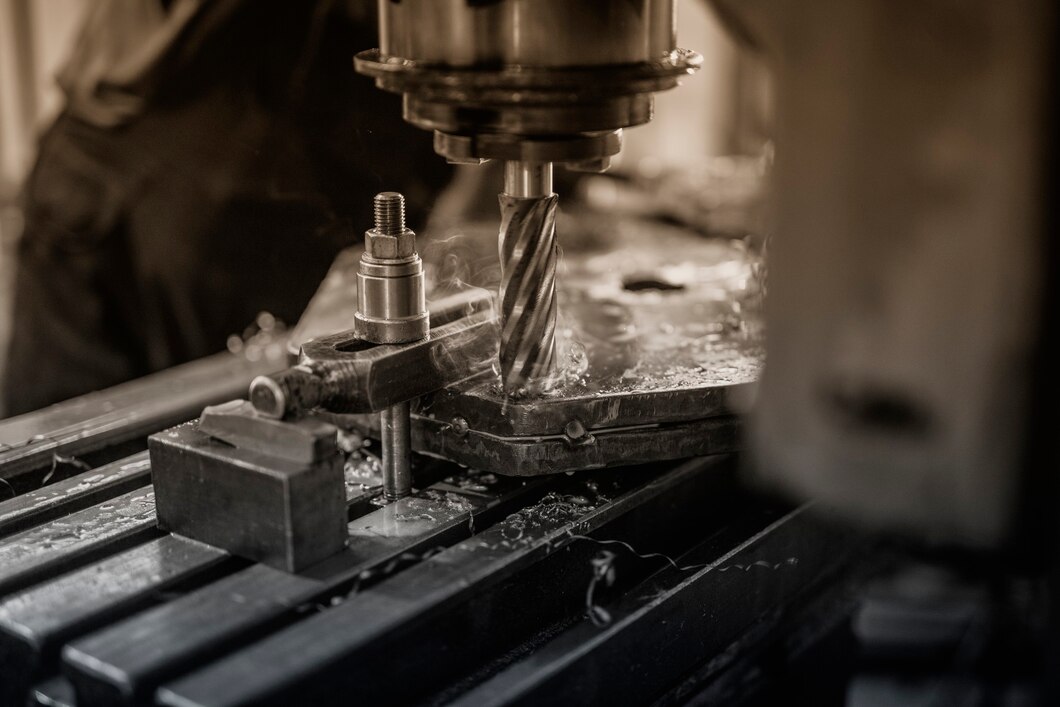
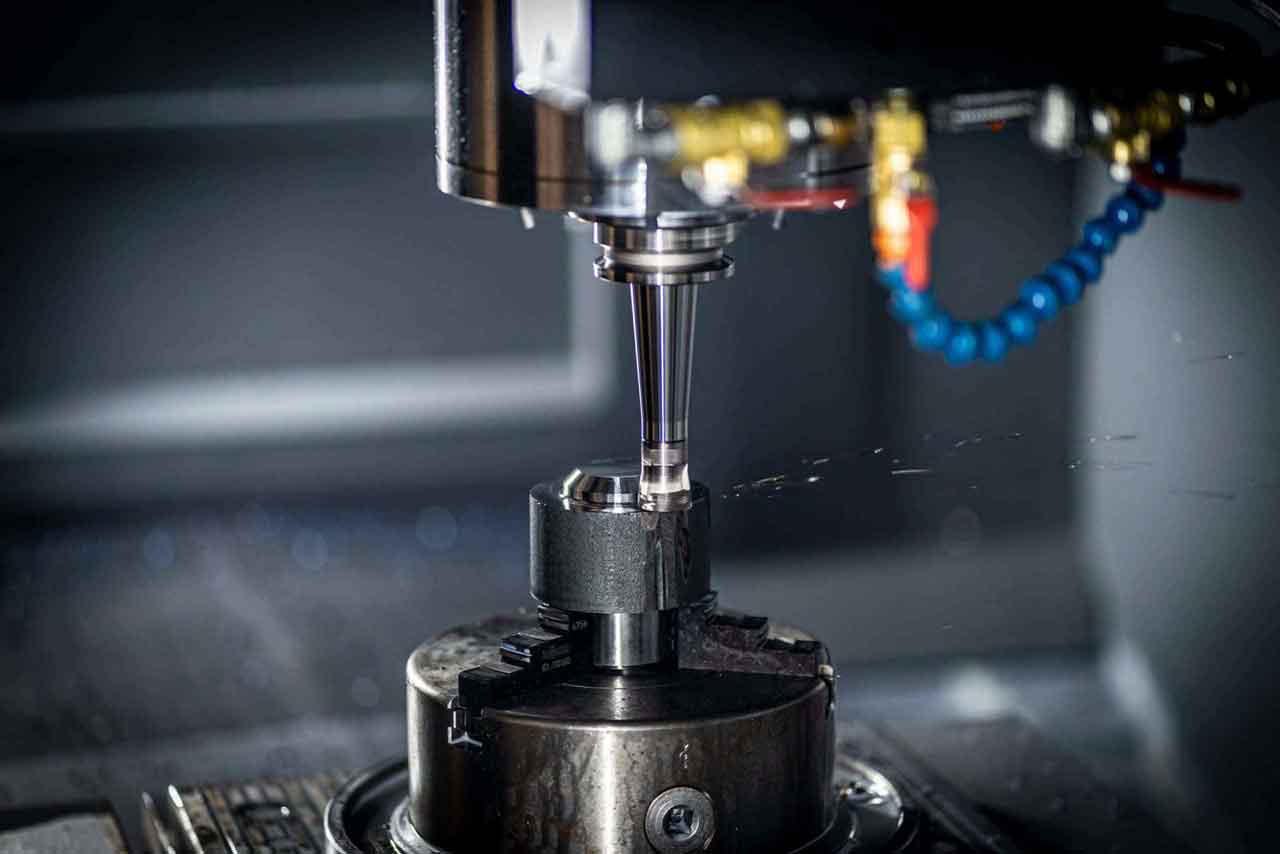
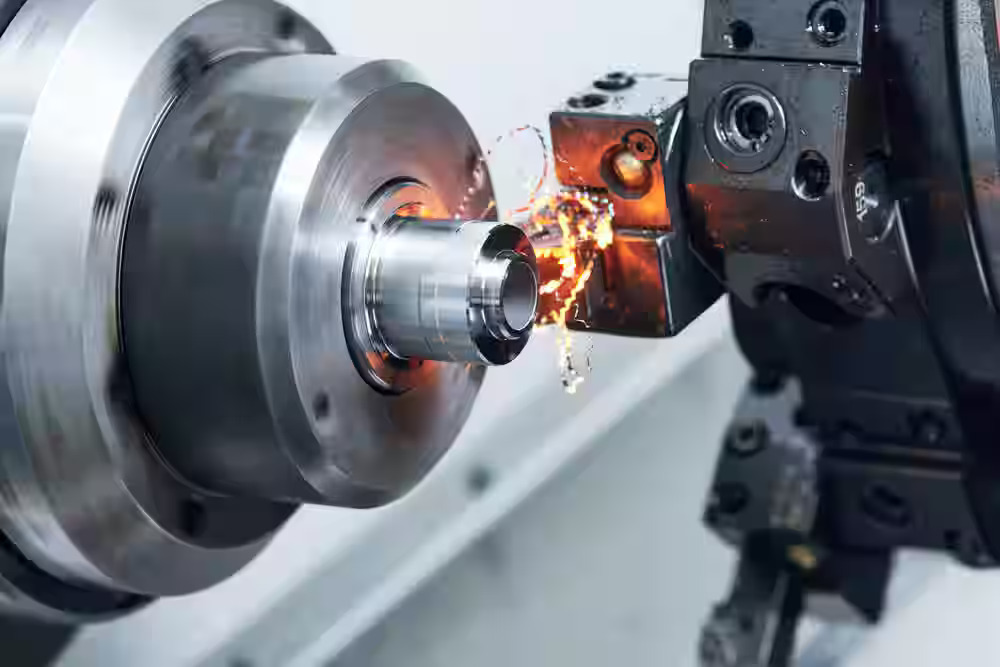
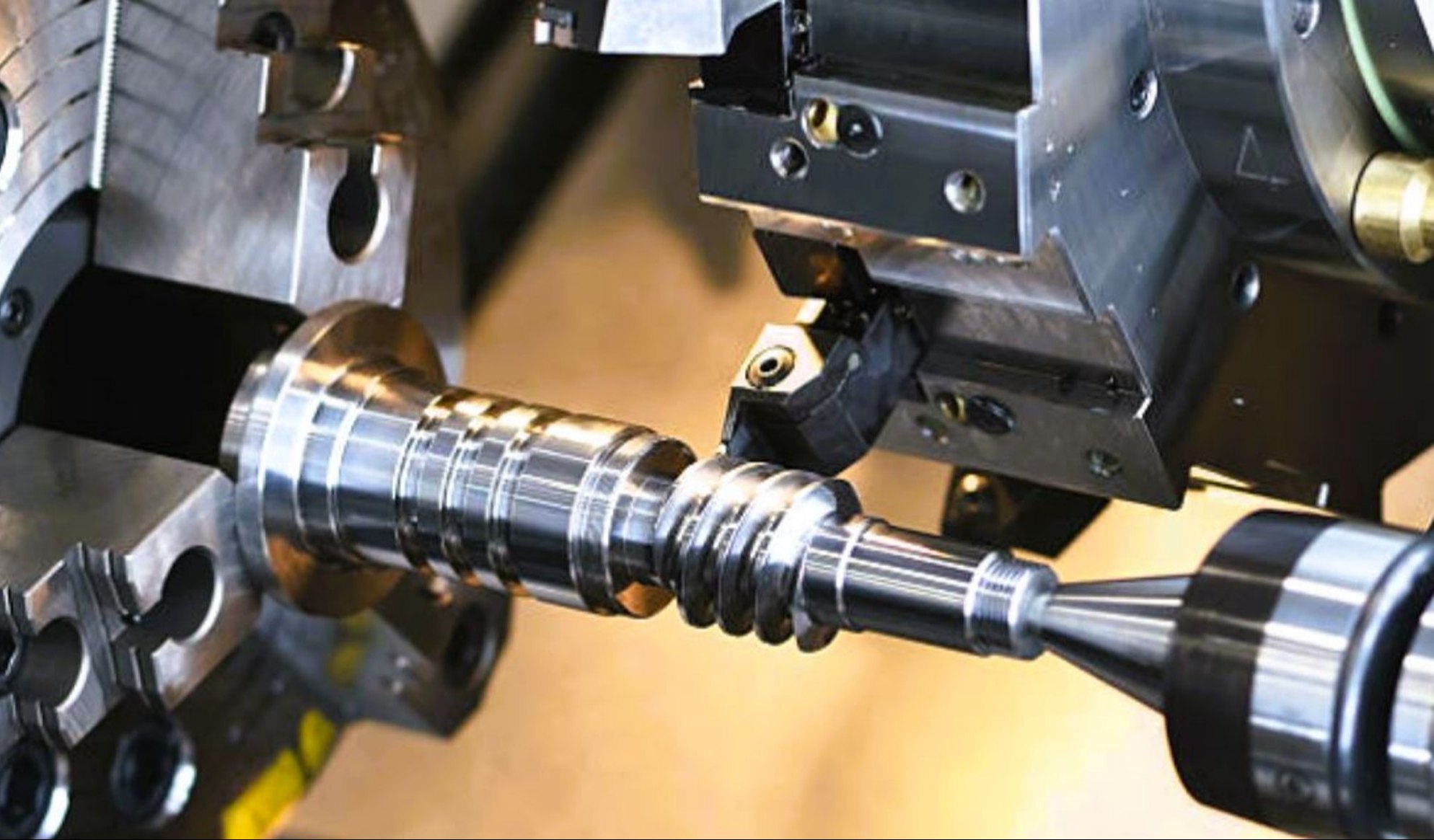
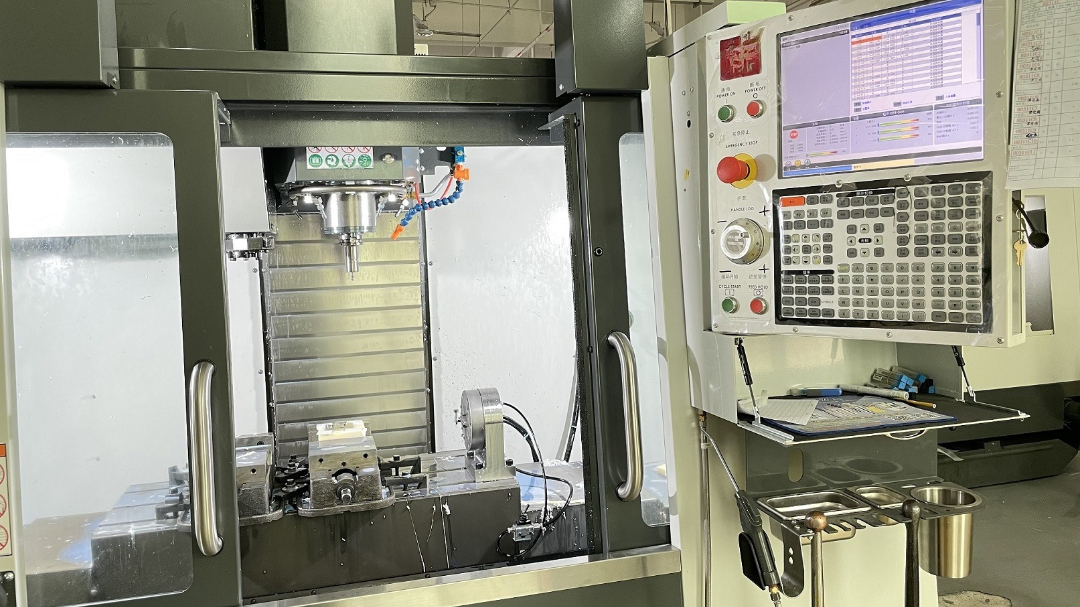
In CNC milling, the raw material (workpiece) is usually held stationary while a multi-point cutting tool rotates around it to remove material. This is ideal for complex, non-cylindrical shapes. In CNC turning, the material is rotated at high speed on a lathe while a stationary cutting tool removes material. Turning is the preferred method for creating symmetrical, cylindrical parts like shafts, bolts, and spacers.
3. What kind of tolerances can Zeometrix achieve?
With our state-of-the-art multi-axis machines and CMM verification, we can achieve tolerances as tight as $\pm 0.005$ mm for critical features. For standard commercial parts, a tolerance of $\pm 0.1$ mm is typical. We recommend discussing your specific tolerance requirements during the DFM phase to ensure cost-effective production.
4. Can you work with materials provided by the customer?
Yes, Zeometrix can machine customer-supplied materials, provided they meet our safety and compatibility standards. However, we also maintain a robust network of certified material suppliers for metals and engineering plastics, ensuring full material traceability (including Mill Test Reports) which is often required for aerospace and medical applications.
5. How does Zeometrix ensure quality control for large batches?
We utilize a combination of In-Process Probing and Statistical Process Control (SPC). Automated probes within the CNC machines check dimensions at various stages of production. For large batches, we perform regular CMM inspections based on an agreed-upon AQL (Acceptable Quality Level) to ensure every part in the shipment meets your exact specifications.